Plan with two information layers
Seasonal knowledge helps identify likely planning issues. It does not tell you what a trail, road or mountain is like today. Local conditions vary with latitude, elevation, distance from the coast, recent weather and site management. Use broad seasonal patterns to choose clothing and equipment. Then check a current forecast, access information and any official warning close to departure.
Confirm the place, date and route before checking. A valley forecast may not describe an exposed ridge. Daylight changes with both latitude and season. Services and transport may also work differently over the year. Build a plan that can shorten, delay or cancel without relying on a single assumption.
Spring / thaw and transition
Spring can bring a mix of melting snow, frozen ground, flowing water and wet trails. Conditions may change quickly across elevation and aspect. A route that is clear near the trailhead may retain snow higher up. Meltwater can make paths muddy or crossings more difficult. Access may be limited while roads, paths or facilities transition between seasons. Check local notices rather than assuming the summer route is ready.
Daylight increases through spring, but exact hours depend on location and date. Check the usable light window and set a turnaround margin. Carry waterproof footwear and clothing appropriate to wet ground. Avoid damaging saturated soils; if a path is closed or fragile, choose another route. Do not cross fast or uncertain water based on appearance alone.
Summer / long days, active trails
Long daylight can provide a wider planning window in many locations, but it does not remove fatigue or weather risk. Insects can affect comfort, especially near still water and sheltered vegetation. Use suitable clothing or locally appropriate repellent, and protect food. Popular areas may have busy paths; plan for passing, parking and facilities without assuming services are available.
Mountain weather can shift during a summer outing. Wind, rain, low cloud and temperature changes still require layers and a route adjustment plan. Exposed terrain can be challenging even when conditions at the start feel mild. Carry rain and wind protection, water, food and a means of navigation. Check any seasonal wildlife or habitat restrictions before entering sensitive areas.
Autumn / shorter days and changing surfaces
Autumn brings cooler temperatures and shortening daylight. Rain, leaf cover, mud, frost or early snow may alter traction and hide surface hazards. A route that was straightforward earlier in the year can require more time and attention. Check the forecast and local access information, and avoid setting a schedule that depends on perfect conditions.
Use layers that support movement and warmth during stops. Carry a light source and plan to finish well before darkness. Check transport and facility schedules where relevant. Colorful landscapes do not indicate safe footing; stay on established paths and avoid slippery slopes or wet rock beyond your ability.
Winter / snow, ice and reduced light
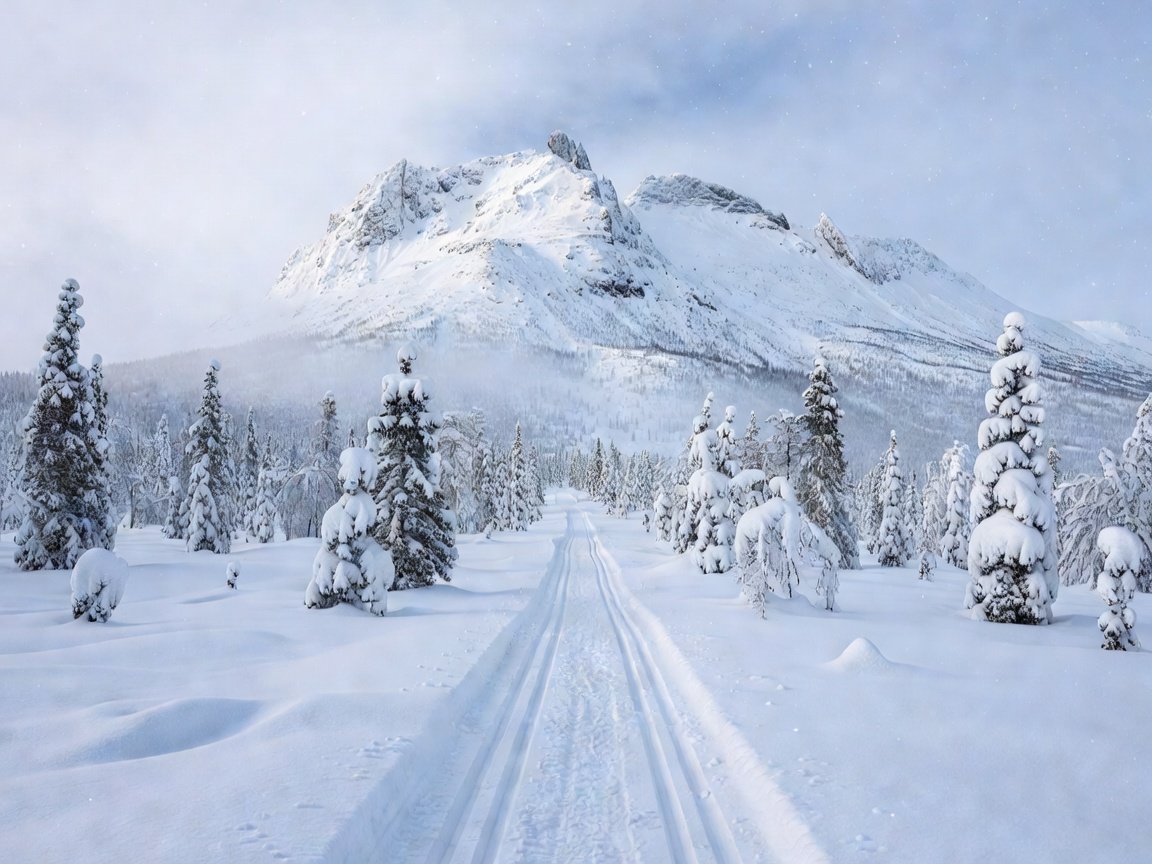
Winter travel can involve snow, ice, cold, wind and limited daylight. Conditions may require specialist equipment, experience and route knowledge. Ordinary hiking footwear may not provide suitable grip on ice or support travel in deep snow. Do not attempt winter terrain without knowing the route, expected conditions and correct equipment. Some paths, roads and facilities may be closed or inaccessible.
Cold-weather preparation should account for movement and rest. Carry insulating and weatherproof layers, a light source, navigation, food and water protection appropriate to the outing. Keep electronics warm enough to function and use a backup navigation method. Tell someone your plan and return time. If you lack the required skills, equipment or local information, choose a lower-risk alternative or postpone.
Compare the seasonal planning load
Good for
Seasonal planning helps visitors select a suitable route and packing list. Spring and autumn call for flexibility around wet or changing surfaces. Summer can extend daylight but still requires weather judgment. Winter needs specific preparation and may require specialist skills. Choose based on current conditions, not calendar expectations.
What to know
- General seasonal patterns do not replace current local information.
- Check forecast, warnings, access, daylight and transport close to departure.
- Carry clothing, footwear and equipment matched to the actual route and conditions.
- Change or cancel plans when conditions exceed your experience or preparation.