One ethic. Local rules.
Responsible travel starts before arrival. Protected areas across Scandinavia do not share one identical rulebook. Camping, fires, dogs, access, waste, group activity and seasonal closures can be regulated differently by country, municipality, land manager and site. General outdoor principles help reduce impact, but they do not replace local requirements. Read official park notices and signs, and ask the relevant authority when a rule is unclear.
Plan for the area’s capacity and sensitivity. Choose routes and timing that reduce pressure on fragile ground, nesting habitat and narrow facilities. Keep a backup destination in case a route is closed or conditions make it unsuitable. Do not interpret an absence of signs as permission to ignore legal restrictions or protected habitat needs.
Stay on durable routes
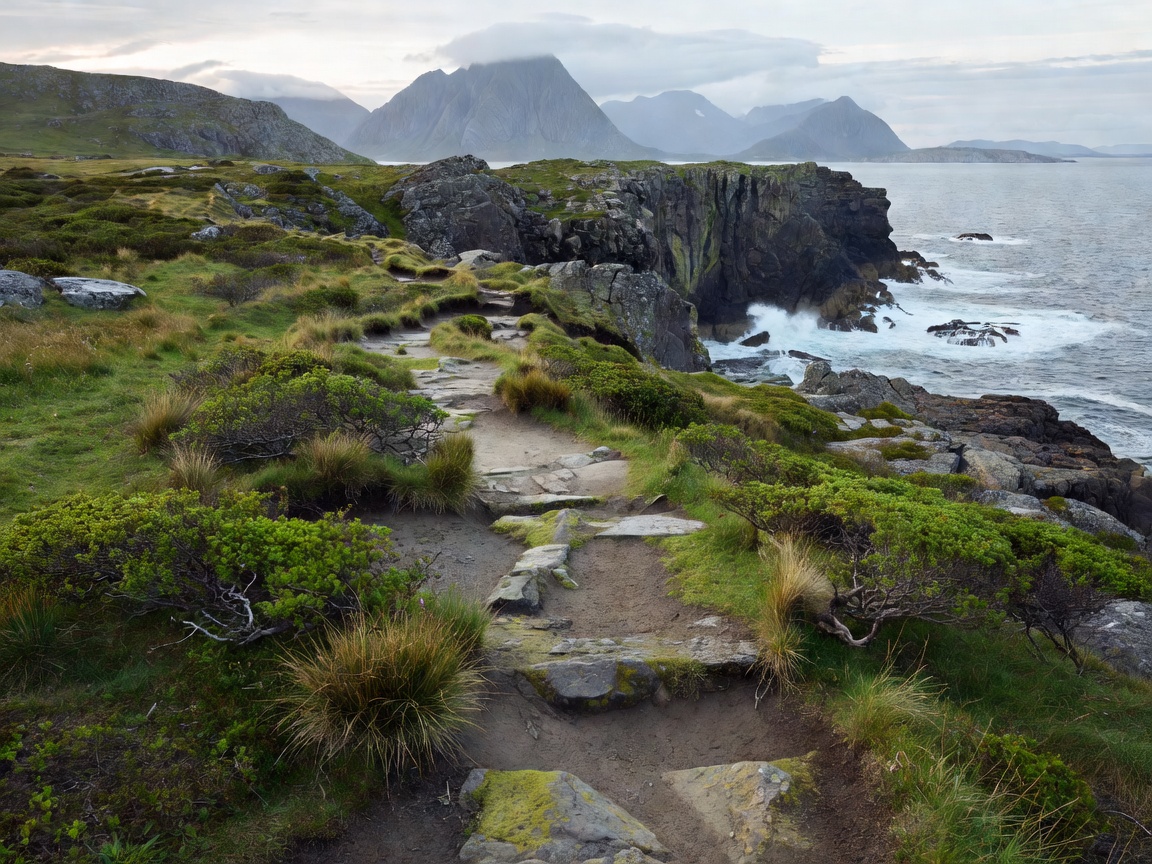
Use marked paths, boardwalks and designated access points where provided. Shortcuts widen trails, damage vegetation and can create erosion channels. Wetland, tundra-like ground and sensitive shoreline plants may recover slowly from trampling. Keep groups on the established line rather than spreading across the landscape. Step aside on durable ground where possible and allow other visitors to pass safely.
Do not build cairns, move stones, cut vegetation or leave markers for other people. These actions can confuse navigation, change habitat or affect the character of a place. Avoid entering restoration sites, breeding areas or locations signed as closed. A scenic viewpoint is not a reason to cross a barrier.
Waste, water and camping
Carry out everything you bring in, including food scraps and small packaging. A biodegradable label does not make litter appropriate. Dispose of human waste and toilet paper according to local facilities and guidance. Where facilities exist, use them. Protect water sources from soap, waste and food residue. Keep washing and cooking away from water in accordance with site instructions.
Camp only where permitted and use established sites when available. Keep tents and equipment compact, avoid trampling vegetation and respect quiet hours or distance requirements. Check local rules about group size, length of stay and proximity to water or buildings. Do not assume that customary access rights mean every type of camping is allowed in every park or habitat.
Fire awareness
Fire restrictions can change with conditions and may be strict in protected areas. Confirm the current local rules before lighting any flame. A portable stove may also be covered by specific restrictions. Never use fire where it is prohibited, where ground conditions make it unsafe or where there is no reliable way to extinguish it. Use designated facilities when permitted. Leave no fire ring, ash or scorched ground. If uncertain, do not light a fire.
Wildlife, noise and photography
Give animals room to move. Do not feed, touch, pursue or call wildlife. Keep food and waste secure and follow dog rules. Dogs can disturb wildlife even when a person considers them calm or controlled. Seasonal closures and leash requirements exist to reduce disturbance; follow the site’s specific instructions.
Keep noise low, especially near nesting, feeding or resting areas. Avoid amplified sound and avoid calling to animals for photographs. Use a long lens, do not block movement routes, and do not enter a nest or den area. Drone rules vary, and drones can disturb wildlife and visitors. Check current requirements before use and keep clear of sensitive habitats.
Groups and shared access
Keep a group together without taking over a narrow path. Let faster walkers pass when safe. Brief children and companions on wildlife distance, waste and route boundaries. Consider whether the group size is suitable for a sensitive route or facility. Respect residents, working landscapes and local customs. Keep voices and lights low near campsites and settlements. Leave gates and barriers as found, and follow instructions around livestock or land management.
Responsible access also means knowing when to leave. If a path is crowded, ground is saturated or wildlife is being disturbed, change route or timing. If a place is closed, respect the closure. A flexible plan reduces pressure on one site and makes the visit safer for the group.
Compare choices in the field
Good for
These practices apply to short walks, overnight trips and longer routes. They matter most where habitats are fragile, wildlife is sensitive or facilities are limited. Responsible exploration is a repeatable set of choices, not a destination label.
What to know
- Rules differ between protected areas and may change with conditions.
- Check local instructions for camping, fires, dogs, access and waste.
- Protect habitat by staying on durable routes and giving wildlife space.
- Choose a different plan when the site is closed or under pressure.